


Understanding Night-Time Calf Muscle Cramps– An Ayurvedic Perspective
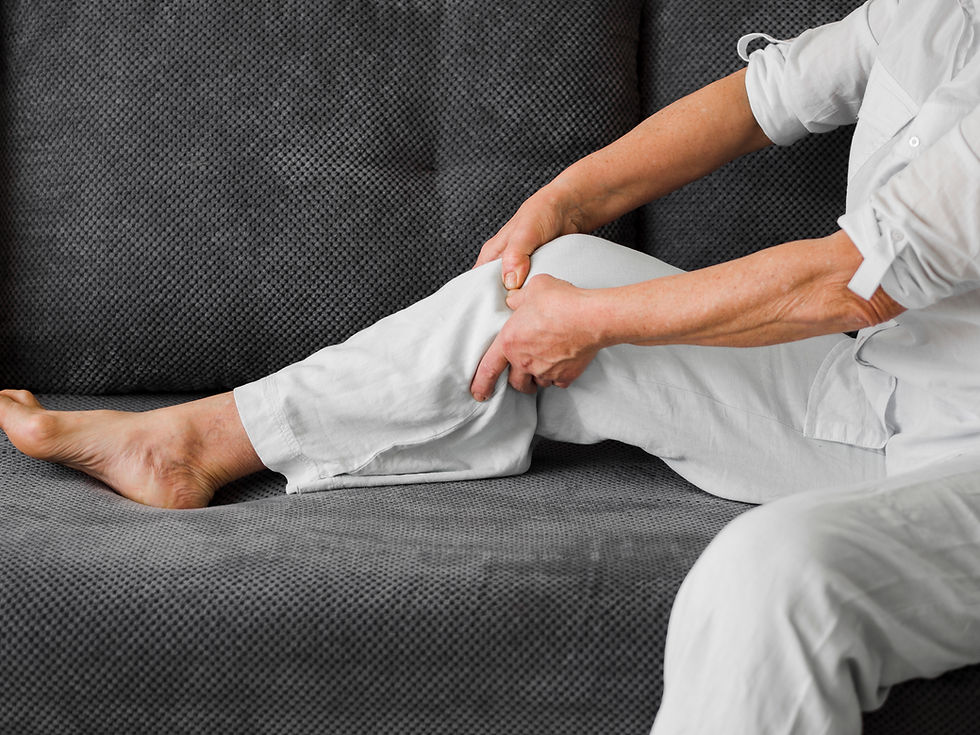
Understanding Night-Time Calf Muscle Cramps– An Ayurvedic Perspective: Early morning or nocturnal calf muscle cramps are a common yet often
misunderstood condition. These sudden, painful muscle contractions can
disrupt sleep and leave lingering soreness that affects daily movement. While
many dismiss them as minor discomforts, repeated muscle cramps may
indicate deeper imbalances within the body.
From an Ayurvedic viewpoint, muscle cramps are often associated with
disturbances in Vata dosha, which governs movement, nerve impulses, and
muscle function. Factors such as dehydration, excessive physical exertion,
irregular routines, poor posture, and prolonged sitting or standing can aggravate
Vata, leading to spasms and stiffness in the muscles.
Modern lifestyle habits also contribute significantly. Lack of adequate hydration,
reduced muscle flexibility, overuse during strenuous exercise, and standing on
hard surfaces for long periods place excessive strain on the calf muscles. In
some individuals, circulatory issues such as venous insufficiency or peripheral
artery disease may further restrict blood flow, increasing the likelihood of
cramps. Poor nerve coordination and prolonged static postures—like sitting
cross-legged or keeping the feet flexed for long durations—can also trigger
nocturnal muscle tightening.
Ayurveda emphasizes that symptoms recurring at night or early morning should
not be ignored. When cramps repeatedly interrupt sleep, cause persistent
soreness, or are accompanied by redness, weakness, or skin changes,
professional evaluation becomes essential. Treating only the symptom without
understanding the cause may offer temporary relief but not long-term
resolution.
At Shanta Ayurveda Hospital, widely regarded as the Best Ayurveda Hospital in
Chennai, care begins with identifying the root cause rather than suppressing
discomfort. Through detailed assessment, Ayurvedic physicians evaluate
lifestyle patterns, digestion, circulation, and doshic balance to design
personalised treatment plans. This holistic approach helps prevent recurrence
while restoring muscular health naturally.
Addressing muscle cramps early can significantly improve sleep quality,
mobility, and overall wellbeing. Ayurveda reminds us that the body
communicates through discomfort—and listening to these signals is the first
step toward lasting health.


Comments