


Supportive Ayurvedic Care for Psoriasis in Chennai
Psoriasis can cause dry, itchy, inflamed, and scaly skin, affecting comfort and confidence. At Shanta Ayurveda Hospital, we use a holistic Ayurvedic approach to understand underlying imbalances and create personalized treatment plans based on each individual’s condition and needs.
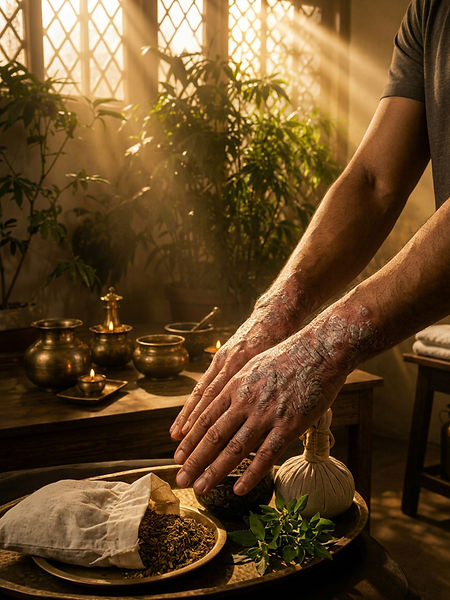
What is Psoriasis?
Psoriasis is a long-term immune-mediated condition in which skin cells build up more quickly than usual, leading to thickened, raised, and scaly patches. The appearance can vary with skin tone and the type of psoriasis. Some people may also develop nail changes or joint pain and stiffness associated with psoriatic arthritis. Psoriasis is not contagious, and it cannot be passed from one person to another. Diagnosis and treatment should be guided by a dermatologist.
Common Signs and Symptoms of Psoriasis
• Raised or thickened patches of skin
• Dry or flaky scales
• Itching, burning, or soreness
• Cracked skin that may bleed
• Scalp scaling or flaking
• Changes in skin colour after a flare
• Thickened, pitted, or discoloured nails
• Nail separation in some individuals
• Joint pain, swelling, or morning stiffness
• Recurring periods of flares and improvement
Skin rashes can have many causes. A medical assessment is important before starting treatment.
Understanding Psoriasis Through Ayurveda
Ayurvedic supportive care is planned after considering the individual’s skin condition, digestion, sleep, stress levels, lifestyle, constitution, medical history, and current treatment. The aim is to support skin comfort, sleep, digestion, stress management, and overall well-being without interrupting dermatologist-prescribed care.
At Shanta Ayurveda Hospital, active inflammation, cracked skin, infection risk, joint symptoms, current medicines, and other health conditions are reviewed before any therapy is recommended. Ayurvedic care does not cure psoriasis or replace dermatological treatment, prescription medicines, phototherapy, or medical monitoring.

Common Factors That May Trigger or Worsen Psoriasis
• Emotional stress
• Skin injury, cuts, burns, or friction
• Certain infections
• Cold or dry weather
• Smoking
• Excessive alcohol use
• Irregular sleep
• Some medicines
• Stopping prescribed treatment suddenly
• Obesity or associated metabolic conditions
Triggers vary between individuals. Identifying personal triggers and following a consistent treatment plan can help with long-term management.
Our Supportive Ayurvedic Approach to Psoriasis
At Shanta Ayurveda Hospital, supportive care for psoriasis may include:
• Detailed Ayurvedic consultation and skin assessment
• Review of current dermatology medicines and medical history
• Personalized Ayurvedic medicines, only where appropriate
• Gentle external applications selected for the individual
• Skin moisturisation and daily-care guidance
• Dietary guidance based on individual health needs
• Sleep and stress-management support
• Lifestyle and trigger-management guidance
• Monitoring for nail and joint symptoms
• Coordination with dermatologist-led treatment
• Inpatient or outpatient care planning where appropriate
Prescription creams, tablets, injections, or phototherapy should not be stopped or changed without the treating dermatologist’s advice.
Supportive Ayurvedic Therapies for Psoriasis
Depending on the individual’s type of psoriasis, skin condition, strength, associated health issues, and physician assessment, supportive Ayurvedic care may include:
• Physician-selected internal Ayurvedic medicines
• Gentle medicated external applications
• Takradhara, where appropriate
• Shirodhara for stress and sleep support, where appropriate
• Virechana, only in carefully selected individuals
• Vasti, where clinically appropriate
• Individualised dietary and lifestyle guidance
No oil, paste, or therapy should be applied over infected, severely inflamed, cracked, or bleeding skin without medical approval. Therapies must be modified or avoided during severe flares and should remain part of a broader care plan led by a qualified dermatologist and physician.
Frequently Asked Questions
Is psoriasis contagious?
No. Psoriasis is not contagious and cannot spread through touching, sharing food, or close contact.
Can Ayurveda cure psoriasis?
Psoriasis is a chronic condition and currently has no guaranteed cure. Ayurvedic care may be considered as supportive care alongside dermatologist-led treatment.
What are the common symptoms of psoriasis?
Common symptoms include raised or scaly patches, itching, soreness, cracked skin, scalp scaling, nail changes, and recurring flares.
Can psoriasis affect the joints?
Yes. Some people with psoriasis develop psoriatic arthritis, which may cause joint pain, swelling, stiffness, or reduced movement. Early medical assessment is important.
Can I stop my dermatologist-prescribed treatment?
No. Prescription creams, tablets, injections, or phototherapy should not be stopped or changed without the treating dermatologist’s advice.
When should urgent medical care be sought?
Urgent medical attention is needed for widespread redness, severe pain, fever, pus-filled lesions, rapidly worsening skin, signs of infection, severe joint swelling, or eye symptoms.

Why Choose Shanta Ayurveda Hospital?
Located in T Nagar, Chennai, Shanta Ayurveda Hospital is committed to providing authentic
Ayurvedic care through personalized treatment plans, traditional therapies, and a patient centered
approach. Our focus is on understanding each patient's unique health concerns and developing
individualized treatment strategies that support long term wellness and quality of life.